





Under communist rule, atheism was the official stance, and the regime viewed belief in God as dangerous. God represented a higher authority than the state, which was intolerable for a government demanding total control.
But the Communists couldn’t silence John Paul II. As crowds chanted “We want God! We want God!”, the pope’s presence rekindled hope and courage among Poles. His message of faith and freedom could not be suppressed.
John Paul II’s visits in the 1980s became a catalyst for the Solidarity movement, a peaceful workers’ movement that challenged communist rule. Lech Wałęsa, Solidarity’s leader, famously said, “Without the Pope, there would be no Solidarity.”
This nonviolent revolution in Poland inspired other Soviet satellite states. The fall of communism in Poland in 1989 was a turning point that precipitated the fall of the Berlin Wall and the collapse of the Soviet Bloc.
Historians emphasize that John Paul II’s spiritual leadership, unyielding faith, and courage were key to the peaceful end of communist oppression in Europe.
Poland in the 1980s was under strict communist control. The government promoted atheism aggressively, trying to suppress religion as a rival source of authority.
Yet, Poland remained deeply Catholic. The Church was a source of resilience, community, and hope. Despite persecution, the faith never faded. Instead, it became a rallying point against oppression.
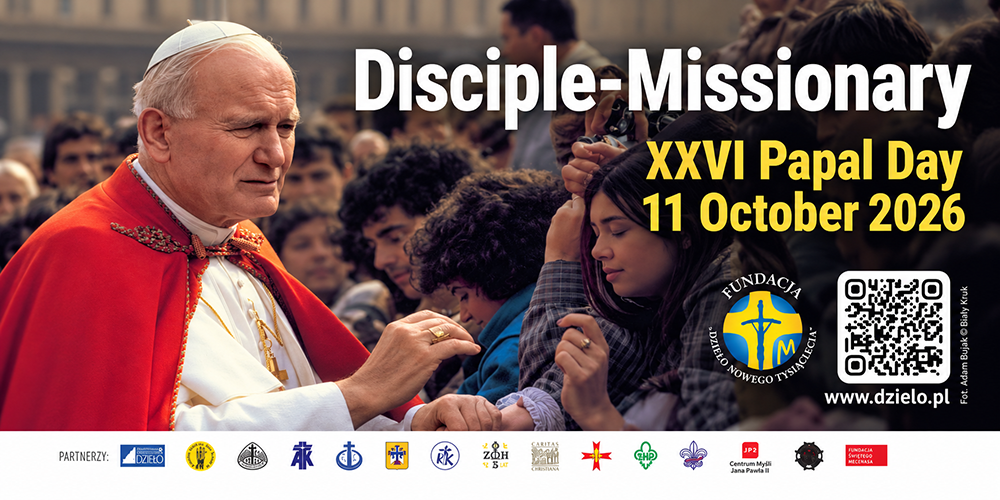
Pope John Paul II, himself Polish, symbolized this unbreakable spirit. His return to Poland in 1979 reignited national pride and a sense of justice rooted in faith.
Communism and atheism may still challenge societies today, but saints like John Paul II show us the power of faith to overcome tyranny.
His life reminds us that living boldly, standing for truth, and striving for holiness can change the course of history.